- Most expats in Southeast Asia use private hospitals, which expect payment from you or your insurer.
- Quality and cost vary hugely: Singapore and Hong Kong are among the most expensive places in Asia for private care.
- Some visas, such as Thailand's O-A retirement visa, currently require proof of health insurance.
- Evacuation cover matters if you live far from medical hubs such as Bangkok, Singapore or Kuala Lumpur.
How does healthcare work for expats in Asia?
Asia is not one healthcare system but dozens. The same region has world-class hospitals and towns where the nearest well-equipped emergency department is a flight away. That is why expat health insurance in Asia is less about ticking a box and more about making sure you can reach good care quickly, wherever you live and travel.
Across Southeast Asia the pattern is broadly similar. Public hospitals are mainly designed for citizens; they can be crowded, and staff may not speak English. Most expats therefore use private hospitals and clinics, which are modern and comfortable but expect payment from you or your insurer. Without cover, a hospital stay, an operation or a serious accident can quickly become very expensive, and some private hospitals ask for a deposit or a guarantee of payment before admitting you.
A local plan usually covers you in one country only. An international health plan follows you across borders, lets you choose your hospital and can include evacuation to a better-equipped centre. Our international health insurance page explains how these plans work.
Healthcare in Thailand, Singapore, Vietnam, Malaysia and the Philippines
Thailand
Thailand is one of Asia's best-known medical hubs. Bangkok has large private hospitals used to treating international patients, such as Bumrungrad International Hospital, Bangkok Hospital and Samitivej Hospital. Public hospitals are much cheaper but busier, and English is less common outside the main cities.
Singapore
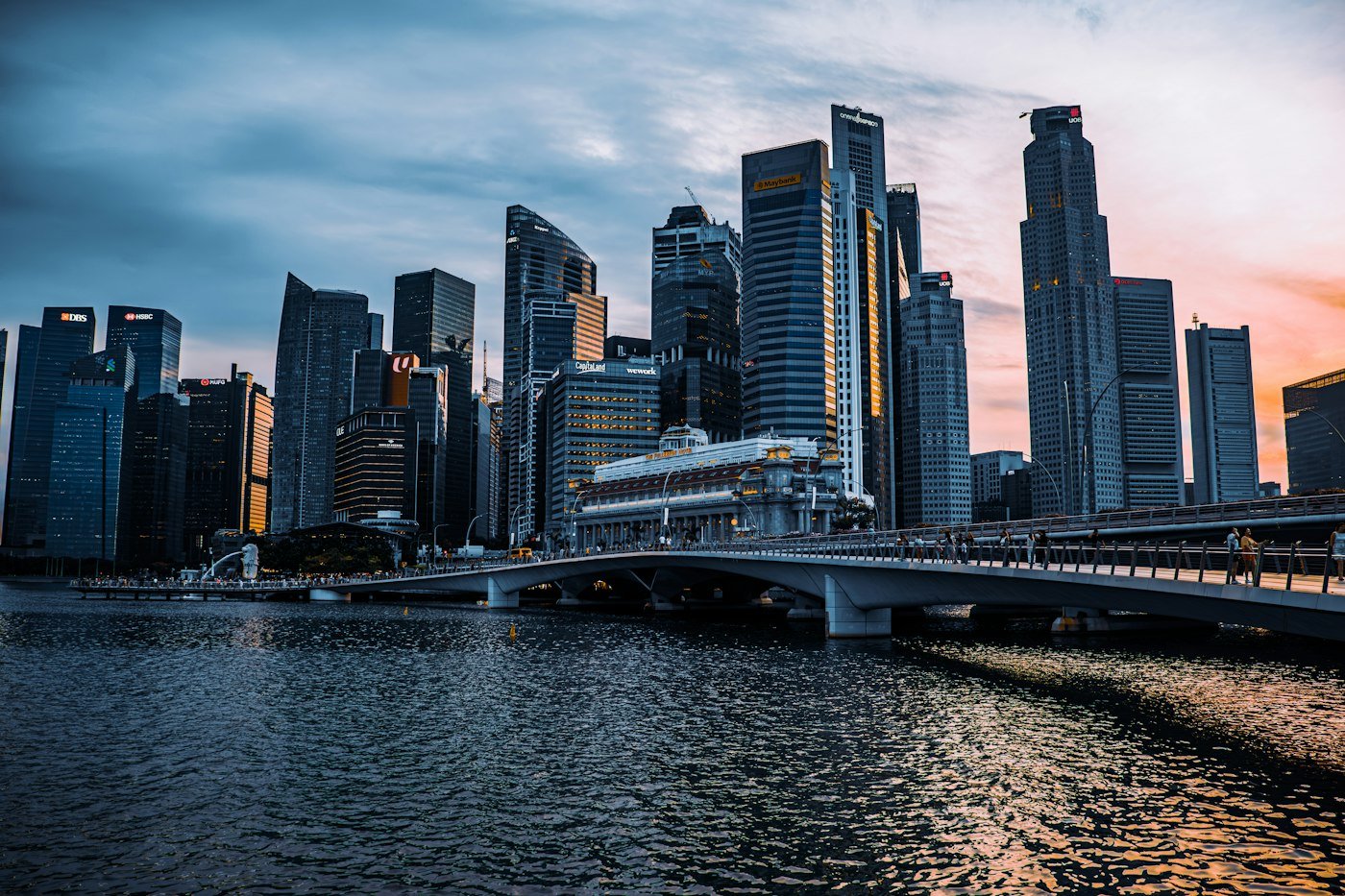
Singapore offers excellent public and private care, and it is a common destination for patients transferred from neighbouring countries for complex treatment. Government subsidies are for citizens and permanent residents, so foreigners pay full rates, even in public hospitals. Private hospitals such as Mount Elizabeth Hospital, Gleneagles Hospital and Raffles Hospital are well known to expats, but Singapore is one of the most expensive places for care in the region, so check that your plan's limits are high enough.
Vietnam
Private care in Ho Chi Minh City and Hanoi has improved a lot, with international-standard facilities such as FV Hospital in Ho Chi Minh City and Vinmec hospitals in Hanoi and other cities. Outside the big cities, options are more limited, and for complex cases expats are often transferred to Bangkok or Singapore.
Malaysia
Malaysia is popular with families and retirees, partly because private care is good and generally more affordable than in Singapore. Kuala Lumpur and Penang have many private hospitals, such as Prince Court Medical Centre and Gleneagles Hospital Kuala Lumpur. Public hospitals are heavily subsidised for Malaysians, while foreigners pay higher rates.
The Philippines
In Metro Manila, large private hospitals such as St. Luke's Medical Center, Makati Medical Center and The Medical City offer a high standard of care. Outside the capital and a few cities such as Cebu, facilities vary widely, which makes evacuation cover important if you live on a smaller island.
These names are examples, not recommendations. Before choosing a plan, check which hospitals are in its network and whether they offer direct billing, so the insurer pays the hospital and you don't have to. Our guide to direct billing vs reimbursement explains the difference.
Plans from 20+ international insurers, personalised for you and sent to your inbox. Free, no obligation.
What about Hong Kong, China and Japan?
Hong Kong has a strong public system, available at subsidised rates to holders of a Hong Kong identity card, but waiting times for non-urgent care can be long. Many expats use private hospitals such as Hong Kong Sanatorium & Hospital or Matilda International Hospital, where costs are high.
In mainland China, expats in cities such as Beijing, Shanghai and Guangzhou often use international clinics and private hospitals, or the international or VIP departments of large public hospitals, where English-speaking staff are easier to find. International facilities are expensive.
Japan has excellent healthcare. Residents staying more than three months are generally required to join the public health insurance system, which pays a large share of the cost. Many expats add an international plan for a private room and cover when they travel or return home.
Is health insurance compulsory for expats in Asia?
In most Southeast Asian countries, private health insurance is not a general legal requirement for expats. There are important exceptions, though, and the rules change. A few examples:
- Thailand: some long-stay visas, such as the non-immigrant O-A retirement visa, currently require proof of health insurance.
- Singapore: employers must buy medical insurance for Work Permit and S Pass holders. For other passes, cover usually depends on your employment contract.
- Malaysia: long-stay programmes such as Malaysia My Second Home (MM2H) have asked applicants for proof of medical insurance.
- Japan: joining the public health insurance system is generally compulsory for residents staying more than three months.
Even where it is not compulsory, insurance is strongly recommended because private hospitals expect to be paid. Always check the latest official requirements with the embassy or immigration authority before applying for a visa, as conditions and minimum cover levels can change.
Medical evacuation in Asia: why it matters
Distances in Asia are large, and the most advanced hospitals are concentrated in a few cities. If you live in Cambodia, Laos, Myanmar, rural Vietnam or a smaller island in the Philippines or Indonesia, a serious illness or accident may mean a transfer to Bangkok, Singapore or Kuala Lumpur. An air ambulance can cost far more than most people could pay from their savings.
Many international plans include medical evacuation, but the details differ: who decides where you are taken, whether it is the nearest suitable hospital or your home country, and whether a family member can travel with you. Our guide to medical evacuation explains what to look for.
What to look for in an expat health plan for Asia
- Area of cover: a plan covering Asia, or worldwide excluding the USA, usually costs much less than one that includes the USA. Make sure it covers every country where you live and travel, and your home country if you may go back for treatment.
- Hospital network and direct billing in your city, so you don't have to pay large bills upfront.
- Limits high enough for Singapore, Hong Kong or Bangkok, if you might be treated there.
- Outpatient cover: GP visits, specialists and tests add up. Decide whether you want them covered or prefer a cheaper hospital-only plan.
- Maternity cover, if you are planning a family: it often has a waiting period, so it is worth adding early.
- Evacuation and repatriation, especially if you live outside the big cities.
- Deductible: a higher deductible lowers your premium, but you pay more yourself when you claim.
Practical tips for expats living in Asia
- Save your insurer's assistance number in your phone, and know where your nearest private hospital with an emergency department is.
- Ask for pre-authorisation before planned treatment, such as surgery or a scan, so the hospital can bill your insurer directly.
- Keep itemised invoices and medical reports for any care you pay yourself; you will need them to claim.
- If you ride a scooter, check your plan's conditions on motorbike accidents, such as holding a valid licence and wearing a helmet.
Moving to Indonesia? Read our dedicated guide to healthcare in Indonesia and Bali.
Every country and every family is different. Answer a few questions and get your instant quote: you will receive a personalised comparison of plans from 20+ international insurers by e-mail in about 2 minutes, and our advisors are available on WhatsApp if you would like to talk it through.
Useful resource: WHO South-East Asia Region
Frequently asked questions
Can I use a local Thai or Malaysian plan instead of an international one?
A local plan can be cheaper, but it usually covers you in one country only and may have lower limits. An international plan moves with you if you relocate and covers you when you travel, depending on the area of cover you choose.
Is medical care in Singapore more expensive than elsewhere in Asia?
Yes, private care in Singapore is among the most expensive in Asia, together with Hong Kong. If you might be treated there, choose a plan with limits that match those prices.
Will an Asia-only plan cover me when I visit my home country?
It depends on the plan and the area of cover you choose. Check whether your home country is included, and under what conditions, before you buy.
Do I need a medical examination to get expat health insurance in Asia?
In most cases you fill in a health questionnaire rather than having an examination. Depending on the insurer, pre-existing conditions may be covered, excluded or covered for an extra premium.
Get a personalised comparison from 20+ international insurers in 2 minutes, or ask a BPA advisor. Our advice is free.